
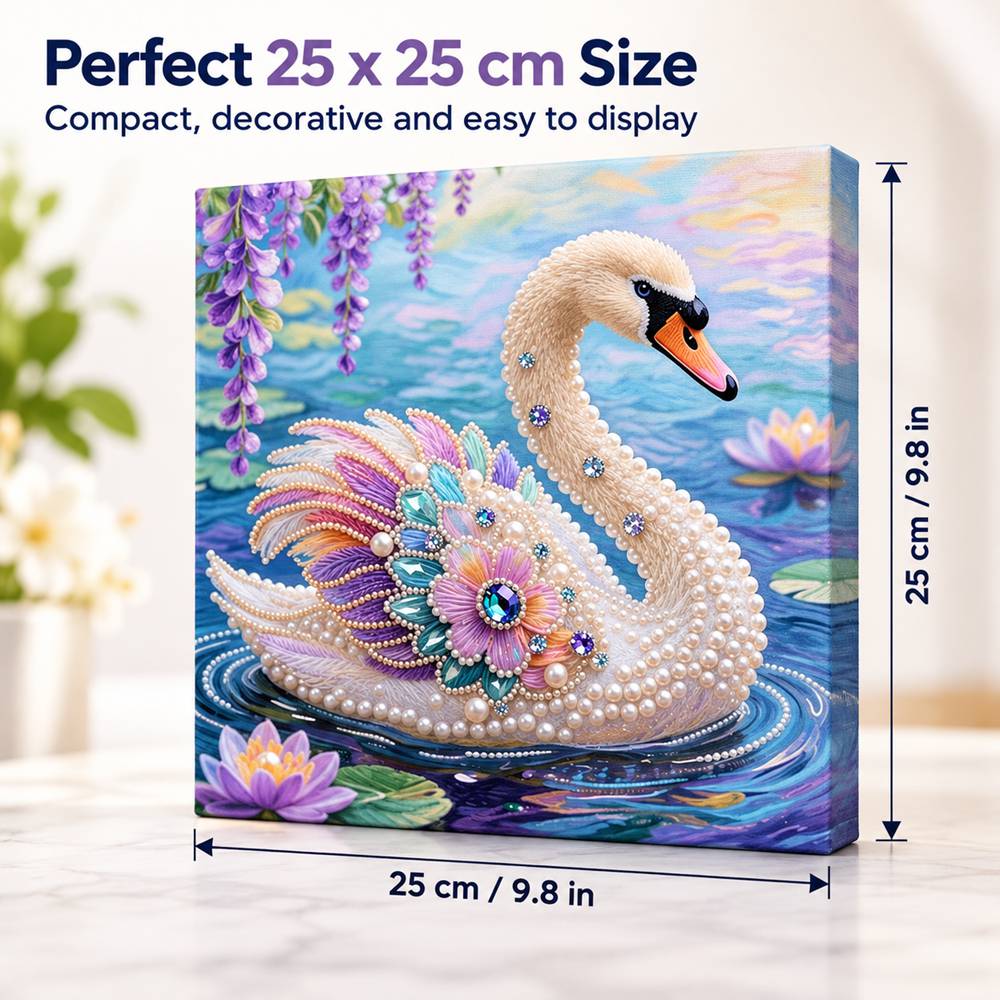
Approve a pearl artwork pattern by giving the selected motif a unique order reference and linking it to the supplier-confirmed design version, placement information and physical sample. Identify which image is the design reference and which is only a display example. When a gallery contains different motifs, request confirmation of the exact version being quoted instead of treating the gallery as one interchangeable design.
Select one motif before asking for a sample
Pinzhi DIY’s pearl painting references include decorated animal artwork, with peacock and swan imagery visible in its catalogue presentation. Those images identify different visual subjects. Their presence in one product presentation does not establish that every design shares an item code, identical components or the same offered configuration. Ask the supplier to name the exact reference it will quote.
Attach the selected picture to the RFQ and give it a buyer reference that can be repeated in later communication. Describe the subject and orientation in plain language so that the supplier can identify it without relying on an informal filename. If you are considering several designs, create separate entries rather than putting several images beside a single unqualified approval box.
Distinguish the design reference from a display photograph
A finished-looking product photograph can show the overall motif while leaving the underlying design details unclear. Perspective, lighting and decorative styling may affect how a buyer reads the image. Ask the supplier which reference will control the actual pattern: an identified design file, a placement sheet, a sample, or an agreed combination. Keep the answer in the approval record.
If a flat design reference is available, ask how it corresponds to the physical sample. The supplier should explain whether a particular colour area or decorative detail is represented in the supplied design. Do not infer a placement code, colour assortment or piece shape from the appearance of one small photograph. Record those questions separately when the information is not visible.
Use a version record that identifies each approval subject
Pattern approval works best when the buyer can distinguish a motif change from a change in presentation. Keep the subject, its orientation and the intended decorative arrangement separate from the background styling used in a product photograph. This lets the team state exactly what it has accepted and what it has merely used to identify the inquiry.
Approval subject | Supplier question | Record kept with the sample
Motif identity | Which design or item reference matches the selected picture? | Design reference and image label
Orientation | Which direction is the artwork intended to face? | Approved view or clearly marked diagram
Decorative placement | Which supplied design reference controls the arrangement? | Confirmed placement reference if available
Presentation styling | Which visible features are photographic styling only? | Exclusion or clarification note
Revision | What changed from the previous sample? | Dated version description
Treat a revised pattern as an explicit proposal
A revised motif may be close enough to look familiar while still changing the buyer’s intended range. Ask the supplier to identify every proposed visual change before issuing approval. The response should state whether the alteration concerns the subject, orientation, decorative layout or another clearly described feature. Do not let the phrase similar design replace that explanation.
Keep the previous reference available when reviewing the revision. Compare the same view or design representation wherever possible, and ask for clarification when the photographs use different angles. A buyer can then approve a named revision or keep it pending. Approval of one new feature should not silently approve every other difference in a replacement photograph.
Connect design approval to the ordered assortment
For an assortment order, assign the requested design references to separate order lines or a clear design schedule. Ask the supplier how it will identify those versions in the package or order documentation. A gallery with several attractive motifs is not confirmation of a mixed-design assortment. The supplier should confirm which designs the quoted line actually covers.
Keep any proposed design substitution visibly separate from the approved schedule. If a requested reference is unavailable or is being revised, ask for an identified alternative and review it before acceptance. This does not assume that availability or substitution services are offered; it gives the supplier a clear way to explain a proposal without changing an order description informally.
Preserve a usable reference for the next order
At approval, retain the exact design reference, sample identifier, version date and the supplier’s written explanation of the controlling artwork. On a repeat inquiry, send that record and ask whether the quoted version remains the same. A reused marketing photograph alone cannot confirm that the supplied design or its accompanying component schedule has remained unchanged.
The approval should describe the pattern decision, not unrelated properties. A decorative image does not establish material composition, physical colour matching, suitability for a particular age group or a test result. Request any required specifications separately. The design record stays clearer when its purpose is limited to identifying and approving the intended visual version.
• Name the selected motif independently of the gallery title.
• Identify the design representation that controls the sample.
• Keep proposed revisions separate from approved versions.
• Carry the approved reference into each repeat-order inquiry.
Frequently asked questions
Does a shared product gallery make different motifs interchangeable?
No. Ask the supplier to identify the design and item reference for each requested motif. Different pictures should remain separate approval subjects unless the supplier explicitly confirms the offered relationship between them.
Can a photograph replace a design-version record?
It can serve as an agreed reference when clearly identified, but the approval should state what the photograph controls. Ask for additional design or placement information when important details remain unclear.
What should happen when the supplier proposes a similar motif?
Treat it as an alternative requiring review. Ask what changed and identify the proposed version. Do not incorporate it into the order merely because the overall subject looks similar.
What should a repeat-order request include?
Send the approved design reference, sample identifier and version information. Ask the supplier to confirm that the new quotation uses that version, and document any proposed change before accepting the order.
Product and contact references
Catalogue reference: confirm matching item: https://pinzhidiy.com/product/25-25-cm-diy-pearl-painting-kit-with-frame/
Related catalogue reference: https://pinzhidiy.com/products/?product_filter=%e7%8f%8d%e7%8f%a0%e7%94%bb
Contact Pinzhi DIY: https://pinzhidiy.com/contact/
Pinzhi DIY blog: https://pinzhidiy.com/blog/